Introduction

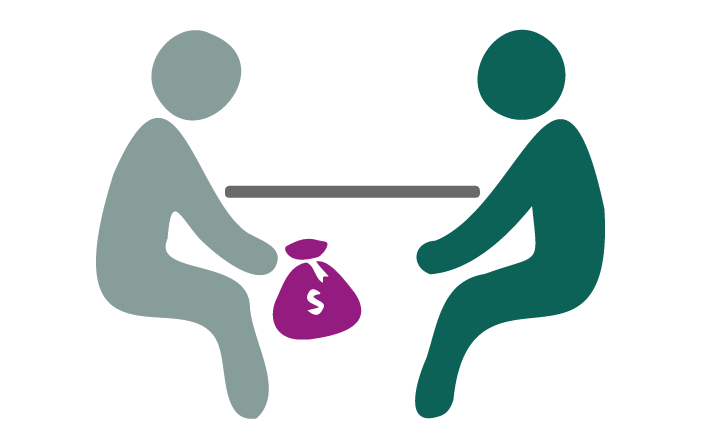
Corruption has negative consequences on multiple levels, impeding social and economic development in society, especially for those with limited resources.
It undermines political and democratic systems, erodes respect for human rights, and distorts resource allocation and fair competition. Corruption thrives in environments with weak democratic institutions and ineffective state structures.
Individually, involvement in or victimization by corrupt activities is likened to an abuse of power and a violation of basic rights. In the realm of development cooperation, corruption diminishes effectiveness, hindering interventions from reaching impoverished populations.
The SMC-Faith in development is committed to addressing this issue through anti-corruption initiatives, aiming to raise awareness and advocate for preventive measures. The goal is to create an environment where mistakes are harder to make, easier to detect, and prompt corrective actions can be taken.