Section outline

  • WELCOME


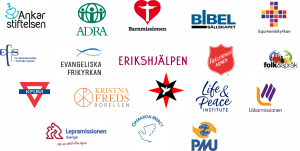
      SMC Faith in Development is an ecumenical platform that brings together 
      29 churches and faith-based organisations in Swedish civil society. 

    Since 1912, SMC has created space for cooperation, mutual learning, and joint action across Christian traditions, with a focus on mission, international development, freedom of religion or belief, and the role of religion in society.

    Today, SMC works to promote human rights, dignity, and sustainable development through its network, expertise, and partnerships. Member organisations share knowledge, organise events and learning initiatives, and contribute to building peaceful, equal, and sustainable societies in Sweden and globally. 

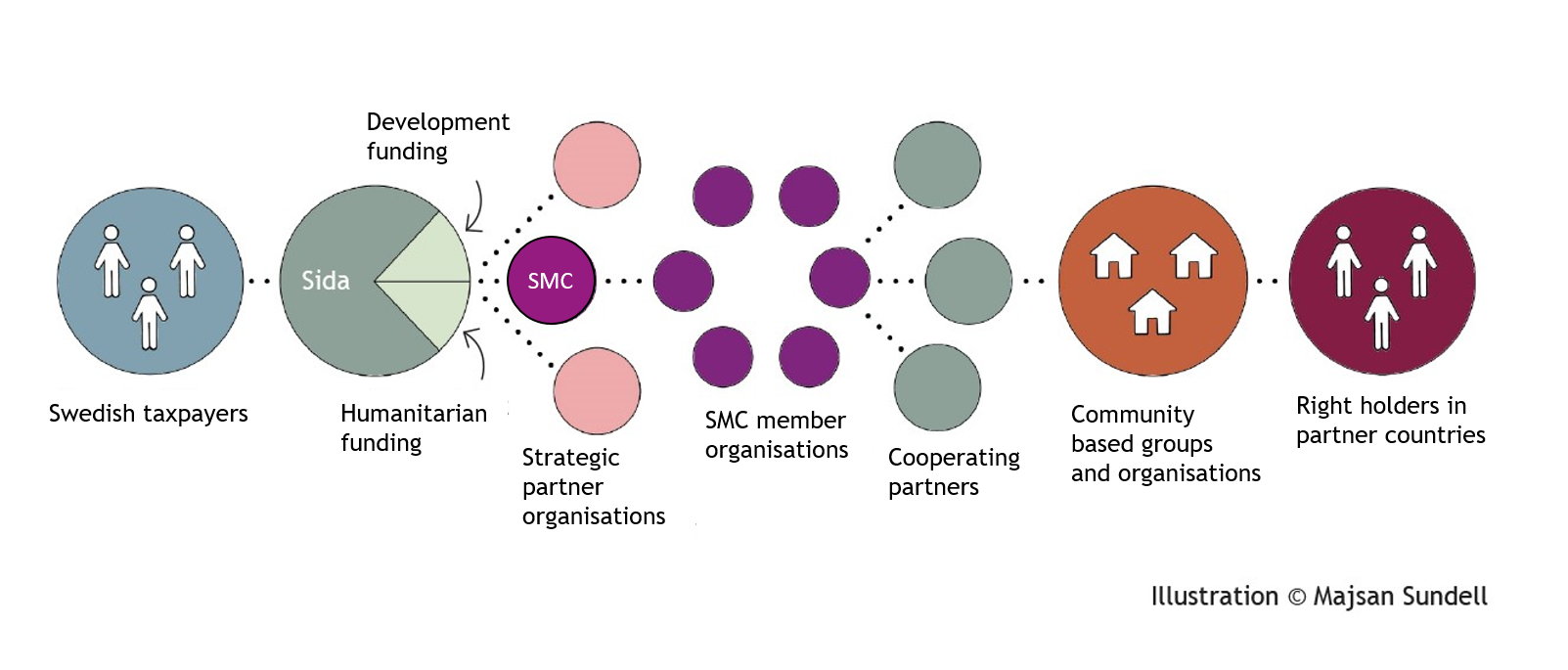
    SMC also leads a Sida-funded consortium together with several member organisations, working with local partners to strengthen civil society in developing countries, with a focus on human rights, sustainable livelihoods, resilience, and grassroots mobilisation.


    • You can work through the session at your own pace, 
      taking as much time as you need.                                       
      It will take about 15 minutes to complete the module.
  • Learn more about the origin of SMC

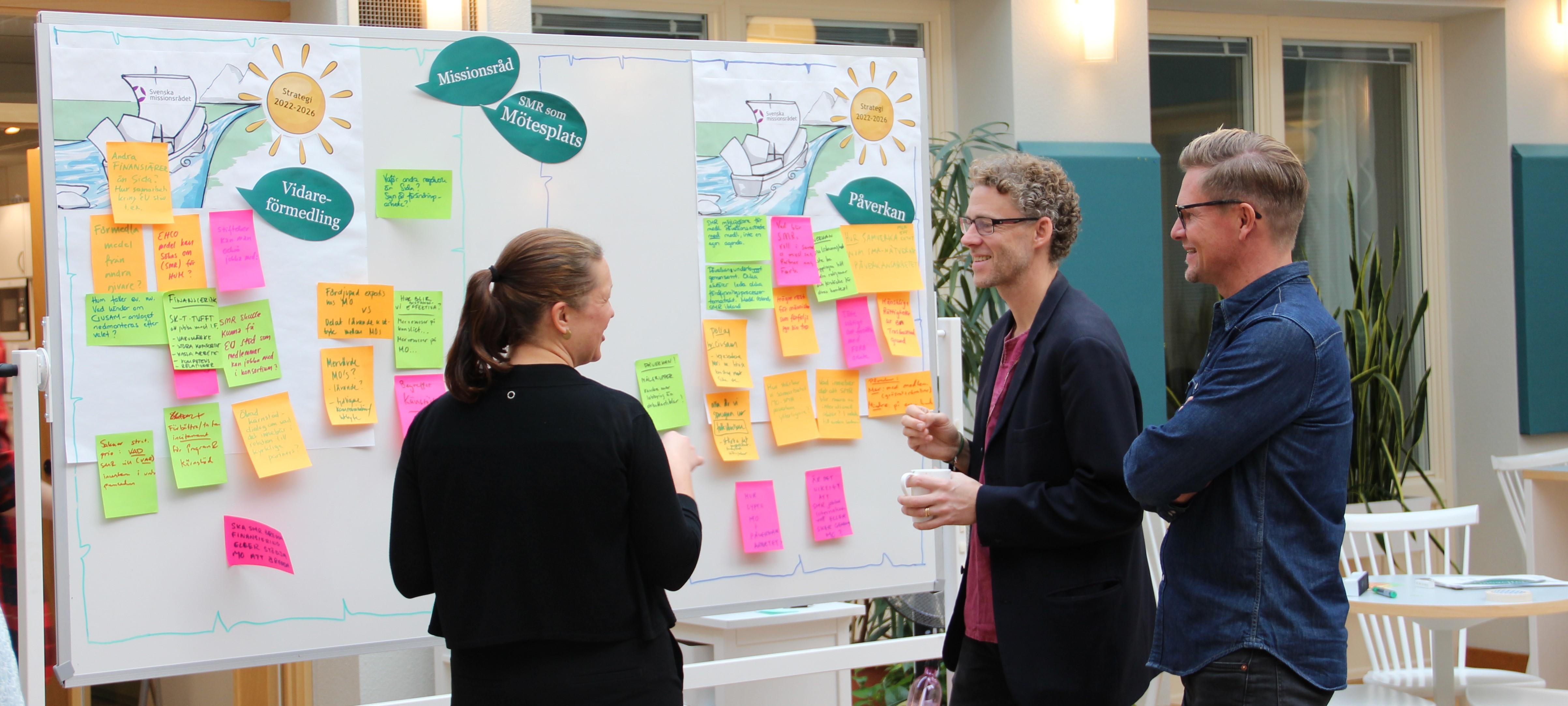
    The Swedish Mission Council (SMC) was established in 1912 after the World Mission Conference in Edinburgh in 1910. Its mission has been to bring together churches and faith-based organizations in Sweden to develop, coordinate, and reflect on mission work, both in theory and practice. Despite societal changes, SMC remains an ecumenical meeting place for mission and international development cooperation.

    Over a century later, SMC consists of around 30 member organizations from various Christian traditions. Today some focus on missionary work with a long history, while others prioritize development cooperation and humanitarian aid.

    SMC’s member organisations and their partners are independent organisations with their own long-term strategies based on mission and development cooperation. However, as part of the SMC network, all contribute as well to fulfilling the SMC vision. 


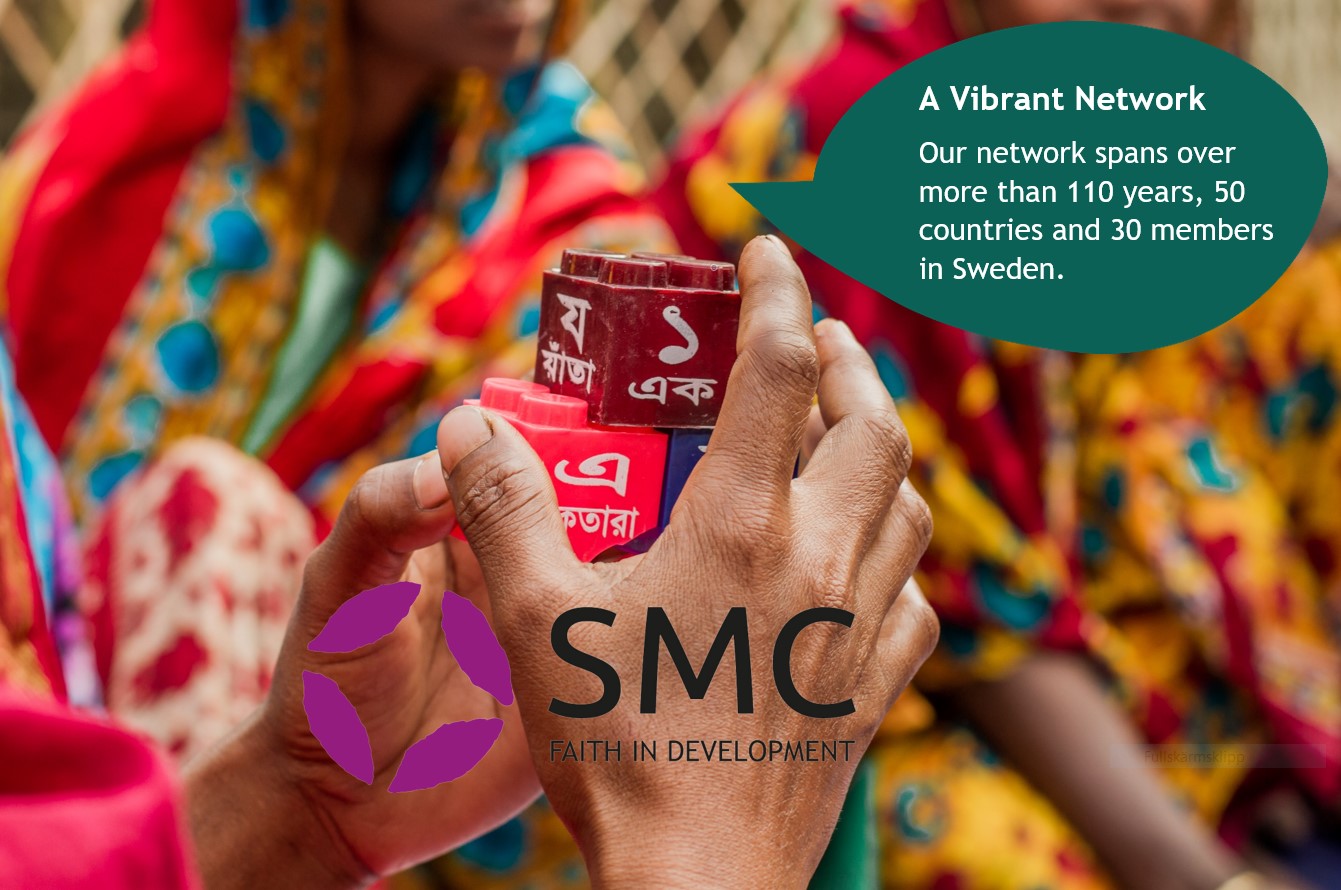
    SMC's global network spans over 50 countries and we maintain long-term collaborations and strong connections with civil society and partners, advocating for indigenous rights, human rights, and environmental protection.


    •  HOW SMC WORKS?

      Our network comprises a wide range of churches and faith-based organisations. Capacity development, cooperation and mutual learning are important parts of our work.

      The SMC member organisations cooperate through working groups, communities of practice, learning events and annual meeting places.

      On behalf of the network, the SMC Secretariat has developed expertise in areas such as Freedom of Religion or Belief, Mission Theology, and Compliance, and has developed a large number of courses and training materials in several languages.


       SMC LEADS ORGANISATIONS IN A CONSORTIUM 


      From October 2025 to December 2028, the SMC Secretariat leads a consortium of seven member organisations and five associate members, working together with 44 partners in 30 countries worldwide. The consortium operates through agreements with Sida, the Swedish International Development Cooperation Agency. Its projects and activities are funded by Sida, the consortium members, and the associate members.


      The long-term goal of the Consortium programme is focused on impact in three thematic areas:

      • Strengthening democratic participation and human rights, including Freedom of Religion or Belief
      • Accelerating environmental sustainability, climate justice and resilience
      • Building sustainable livelihoods through grassroots economic initiatives

      The Consortium has goals in seven areas, divided by what is in the Consortium’s Sphere of control and what is in its Sphere of influence.


    •   The change we believe in


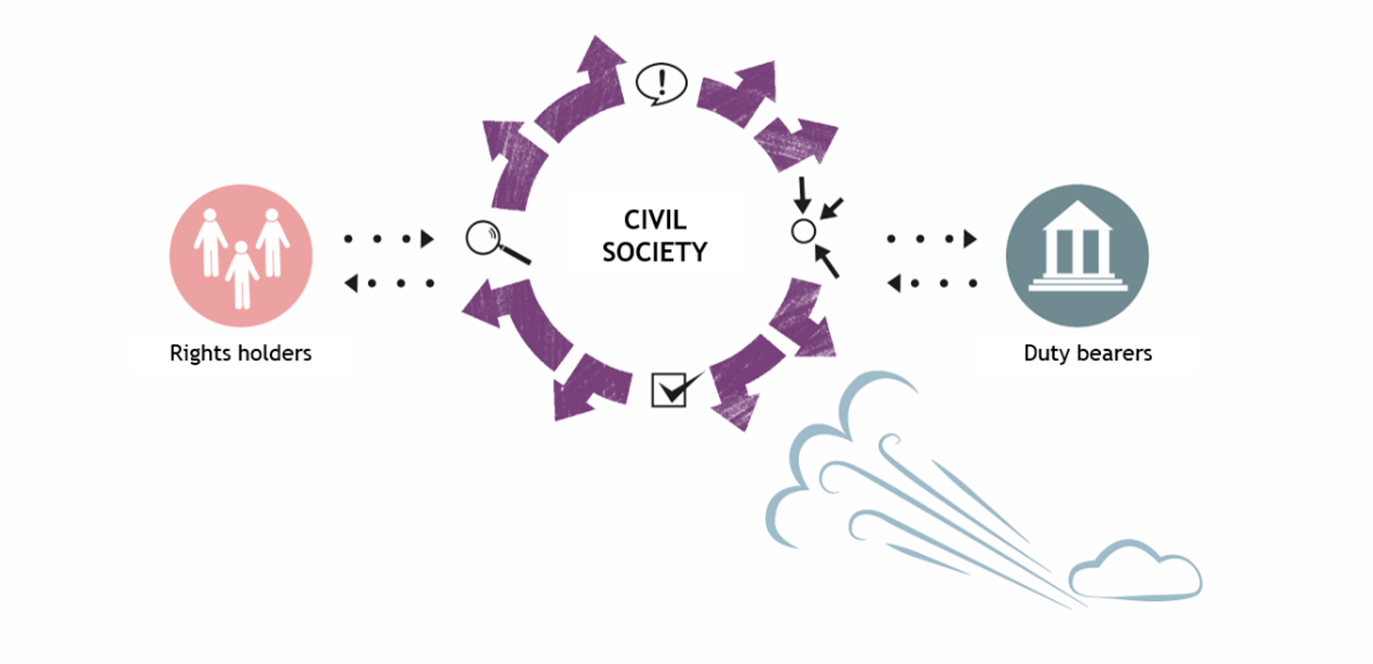
        SMC’s Theory of Change is based on the conviction that strong civil society is essential for sustainable        and democratic change.

      By supporting a wide range of actors — from community-based organisations and churches to youth movements, academic institutions, and human rights networks — the consortium helps create change at local, national, regional, and global levels. When people come together, organise, and collaborate, they are better equipped to claim their rights and hold duty-bearers accountable. 

      That is why SMC emphasises mobilisation, cooperation, learning, and continuous reflection as key to effective rights-based development. When people come together, organise, and collaborate, they are better equipped to claim their rights and hold duty-bearers accountable. That is why SMC emphasises mobilisation, cooperation, learning, and continuous reflection as key to effective rights-based development.


      The illustration of SMC’s Theory of Change shows a cloud and wind symbolizing how faith serves as inspiration and a driving force for transformation.


    •   SMC's 3 roles and 2 thematic areas


      To carry out our strategy for 2026-2028, SMC has chosen 3 strategic roles and 2 thematic areas.

        STRATEGIC ROLES


      A platform for collaboration in mission

      An actor for effective, rights-based development cooperation

      A public voice


         THEMATIC AREAS

      Faith, democracy, and human rights  

      Environment, climate, and resilience

      We promote democratic participation and human rights for all, with a special focus on people and groups at risk of exclusion. Through this work, we contribute to more inclusive, just, and sustainable societies.

      We work to strengthen resilience and address the climate and environmental crisis through capacity development, collaboration, and advocacy. Together with our partners, we promote sustainable solutions, biodiversity, and disaster risk reduction at local, regional, and global levels.


    •   SMC'S THEMATIC AREAS 

      In addition to its three strategic roles, SMC has also chosen to focus on two thematic areas during our strategy period oF 2025-2028, these are:


        Environment, Climate, and Resilience


      Climate change and biodiversity loss are closely linked crises that affect the poorest and most vulnerable communities most severely. Extreme weather, environmental degradation, and declining natural resources put lives, livelihoods, and resilience at risk, particularly in developing countries and among Indigenous peoples and rural communities.

      These crises are closely connected to poverty and conflict, creating a cycle that deepens vulnerability and places growing pressure on both people and ecosystems. Responding effectively requires integrated approaches that promote environmental sustainability while strengthening community resilience.


        Faith and Democracy


      Strong civil society is essential to defending democracy, protecting human rights, and promoting social cohesion. Religious actors and faith-based organisations play an important role through their moral authority, community trust and commitment to justice, equality and human dignity. Promoting Freedom of Religion or Belief is vital to building inclusive, peaceful, and democratic societies.

      As democratic space shrinks and human rights come under increasing pressure, inclusive civil society action is more important than ever. 


      By strengthening knowledge, participation and collaboration across diverse groups, we can help build more just, resilient and sustainable societies.

      As democratic space shrinks and human rights come under increasing pressure, inclusive civil society action is more important than ever. By strengthening knowledge, participation, and collaboration across diverse groups, we can help build more just, resilient, and sustainable societies.

  • Wrap up and summary


    Well done for getting to the end of the course!

    You should have now a better understanding of:
    • what is the SMC network
    • how SMC, members and partners work together
    • What are SM's identity, vision and the change we believe in 
    • What are SMC's 3 strategic roles and 2 thematic areas 2025-2028
    Here you can assess if you got the key messages right and make a summary. Upon completion of this final activity, you will also be awarded your certificate.

  • Certificate

    • PROMPT YOUR CERTIFICATE

      If you take this module as part of the SMC Onboarding course you can prompt your certificate here.  Did you complete all the necessary activities? Then the certificate is ready.

      Otherwise, see which task is still missing below.


    • COURSE CREATOR

      This training was developed by SMC for our member organisations and cooperating partners. 

      Licence

      This course is published under Creative Commons Attribution Noncommercial ShareAlike 4.0 International License.

      Questions? Contact: miriam.mondragon@smc.global


    • Click to return to SMC LEARN