Section outline

  • DOES YOUR PROJECT LEAVE WOMEN BEHIND?

    • Women and girls in all parts of the world experience discrimination. Since discrimination based on gender is present in all spheres of life, we have to make sure that our development programmes and projects promote equal participation.

      Our vision is that in all areas and at all hierarchical levels, all human beings are perceived and treated as equal. We are inspired by the bible: “Then God created Adam, the people, as a divine image; as an image of God they were created; male and female has he, has she, has God created them.“ (Gen 1:27) To accomplish this vision, Mission 21's programmes work with UN Sustainable Development Goal (SDG) 5 "Achieve gender equality and empower all women and girls" and SDG 16+ "Promote peaceful and inclusive societies for sustainable development, provide access to justice for all and build effective, accountable and inclusive institutions at all levels."

      Women and girls should not be left behind, therefore we must include a gender perspective in development programmes and projects. "Gender analysis" helps you to understand disparities between women, men and other gender identities' realities in any context. We all should have equal opportunities. To conduct a "gender analysis" is thus mandatory, and a requirement to receive funding. Your project can only be relevant and effective if it addresses the real development problems of beneficiaries - and if it produces the outcomes that those people need and want.

      This learning site shows you how to integrate gender analysis in your project cycle management.


  • KEY CONCEPTS

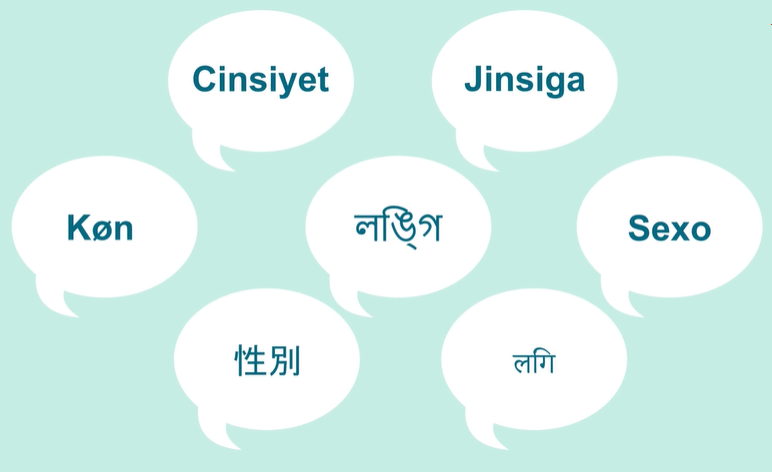
    • To make a gender analysis, we first need to understand what "gender" and "gender equality" really means. The video below introduces key concepts:
      • Gender
      • Sex
      • Masculinity
      • Femininity
      • Equality
      • Equity
      • Intersectionality
      • Targeted action

      You can also refer to the glossary below the video for more definitions.


  • HOW TO DO A GENDER ANALYSIS

    • Introduction to Gender Analysis

      A gender analysis is a tool to identify, understand, and describe gender differences and the relevance of gender roles and power structures in the context you are working in.
      The video below introduces how you can integrate the gender analysis in every step of your project cycle.

    • Key questions to include in your gender analysis

      To analyse gender in your development project context, ask these key questions:

      • What are the roles, responsibilities, needs and interests of women, men and other gender identities?
      • What are their relations to each other? 
      • How do they participate in decision-making in your project and in their community?
      • Do they have equal access to and control over resources and services?


      Click on the button below to read about including gender in each step of the project cycle


    • Reflect on what you've learned

      In the four case stories below, you must reflect on what you've learned about doing a gender analysis and answer the question to the best of your knowledge. You will receive feedback when you submit your choice.
  • Case Study

    The "Vanilla Bean Case Study" is an example of what can go wrong if a gender analysis is not included in the context analysis of your development project. This development project wanted to increase income generation through vanilla production. However, after people got agricultural training in vanilla production, vanilla production dropped after three years. What went wrong?

  • LEARN MORE

  • Get in touch

    • To stay in touch and discuss gender mainstreaming practices we invite you to contact the Women and Gender Desk of Mission 21 for a zoom meet up. There, we can discuss concepts and strategies using concrete examples.

      CONTACT US: women.gender@mission-21.org

  • Feedback